

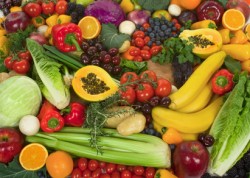
By eating more fruits and vegetables, the risk of stroke can be reduced by almost a third, according to a fresh look at recent data. The results support existing recommendations from organizations such as the U.S. Centers for Disease Control and Prevention (CDC), and require a diet rich in fresh greens.
"These findings are consistent with current knowledge and the consumption of fruits and vegetables for the prevention of stroke should be encouraged," said Dr. Yan Qu of Qingdao Municipal Hospital and Medical College of Qingdao University in China, who led the research.
A stroke occurs when the blood flow to a part of the brain is blocked by a clot or by blood vessel bursts. Without emergency care, a stroke can result in severe brain damage or death.
Strokes remain the fourth leading cause of death in the U.S., according to the CDC. Several studies have examined the effect of diet on the risk of stroke. Some have shown that eating lots of fruits and vegetables reduces the risk; other studies have not found a connection with them.
"The result could be indirect and eating fruits and vegetables can benefit overall health, lowering blood pressure, cholesterol, weight and other risk factors for stroke", said Dr. Qu. "It is also likely that certain nutrients in foods may reduce the risk of stroke", he said.
To get a better understanding of the relationship between stroke risk and plants in the nutrition, the researchers looked for reports from past decades watching the eating habits and health of men and women around the world.
Twenty studies examining a total of 16,981 strokes among 760,629 participants were included in the analysis. Overall, the people who ate the most fruits and vegetables were 21% less likely to have a stroke, compared to people who consumed the lowest amounts, the researchers found.
The benefits rose along with the amounts of products consumed. Stroke risk fell by 32% for every 200 grams (g) per day of fruit people ate, and 11% with every 200 g of vegetables. The researchers found that citrus fruits, leafy vegetables and apples and pears were the specific types of greenery linked to reduced stroke risk. "The effect of other types of fruit and vegetables on stroke risk still needs to be confirmed," Qu said.
The researchers cannot say for certain that eating fruits and vegetables caused fewer strokes among the participants. They point out that there could be other factors that influence the results; for example, people who eat more fruits and vegetables may lead generally healthier lives.
"It doesn't surprise me too much in that it seems to confirm what a lot of other studies have shown," Dr. David A. Miller said.
Miller, who was not involved in the new study, directs the Advanced Primary Stroke Center at Mayo Clinic in Jacksonville, Florida.
"We still don't know if there is anything inherent in the fruits and vegetables or whether it's their effect on blood pressure," he said. "It's a chicken and egg type of thing."
Miller also pointed out that the researchers also found people who controlled their other risk factors - such as weight, smoking and overall diet - had the lowest risk of stroke.
"Eating fruits and vegetables is helpful, but it's not the only thing," he said.